
What’s in your air?
Indoor air can be 2–5x more polluted than outdoor air
You spend 90% of your life indoors
You breathe over 30 lbs of air each day
Remove toxins and create a healthier home with 8air.
A healthier home starts here:
Remove toxins from my home
Want to gain insight into toxic-free living?
Take our practical courses so you can identify and reduce toxins in your home.
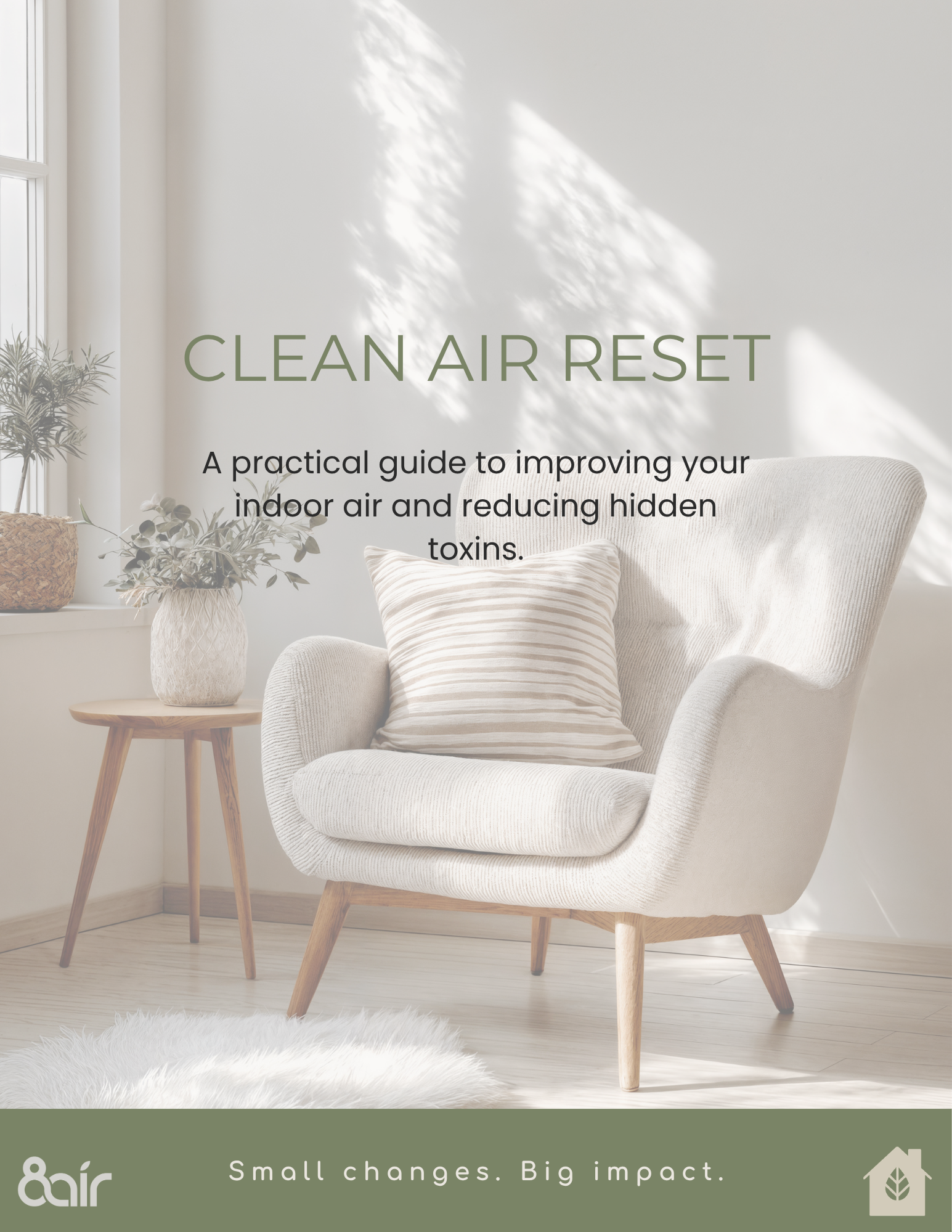
Available self-guided courses:
Clean Air Reset
Microplastic Reset
Starting at $19
Test my indoor air
Want testing data?
Measure what’s in your indoor environment with comprehensive professional-level testing made easy.
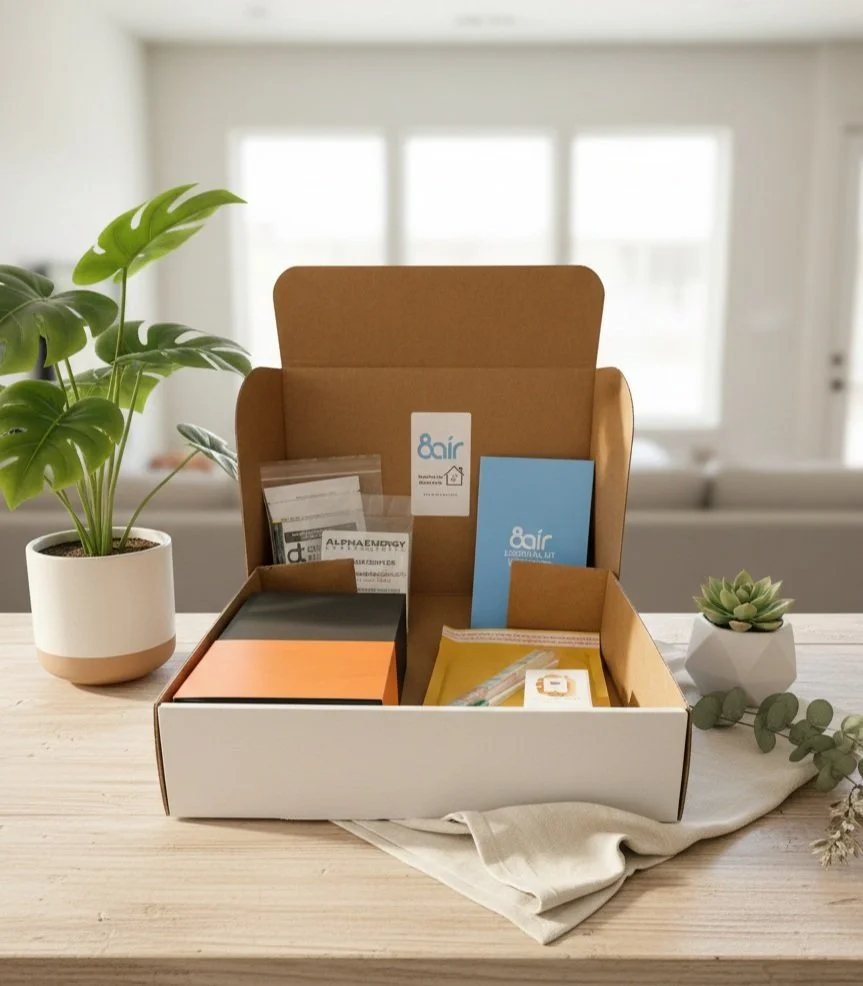
DIY test kit measures:
VOCs, formaldehyde, mold, radon, carbon monoxide, carbon dioxide, particulate matter & humidity
Starting at $499
Personalized Indoor Air Quality Assessment
Fill out this form to receive a personalized estimate for a comprehensive, in-home indoor air quality assessment. A professional will handle the testing and evaluation for you, taking the guesswork out of understanding your home's indoor air quality.
Serving Western New York.
Starting at $1,500 for a whole home assessment.
How 8air test kits work:
Hidden Pollutants. Real Symptoms
Dizziness
Radon
Formaldehyde
Nausea
Fatigue
Carbon Dioxide
Headaches
Microplastics
Skin Irritation
Respiratory Issues
VOCs
Mold
Particulate Matter
Allergies
Asthma
Carbon Monoxide
Humidity
What we test for:
-
Invisible spores in the air can trigger allergies, respiratory irritation, and asthma symptoms — even when no visible mold is present.
-
Commonly found in everyday household products, VOCs can contribute to headaches, irritation, respiratory problems, and long-term health concerns — often without noticeable odors.
-
A naturally occurring, invisible gas that can enter homes through the foundation and is linked to lung cancer risk with long-term exposure.
-
Commonly found in adhesives, pressed-wood products, and some flooring materials, formaldehyde can cause irritation of the eyes, nose, and throat, may trigger asthma, and it is classified as a carcinogen associated with long-term health risks.
-
Tiny, invisible particles from smoke, dust, aerosols and pollution that can reach deep into your lungs, affecting respiratory and cardiovascular health.
-
A colorless, odorless gas from stoves, fireplaces and appliances that can build up indoors and reduce oxygen in the body, leading to dizziness, headaches, or more serious health risks.
-
High levels of CO₂ indicate poor ventilation and can cause fatigue, headaches, dizziness, and reduced concentration.
-
High or low humidity can trigger allergies, promote mold, and make indoor spaces uncomfortable.

Not sure where to start?
Toxins in your home can feel overwhelming—but finding and removing them doesn’t have to be.
Our self-guided courses help you identify hidden sources, make simple swaps, and create a healthier home.
Purify your air
8air has partnered with Intellipure, our most trusted air purifier company, to purify your air.

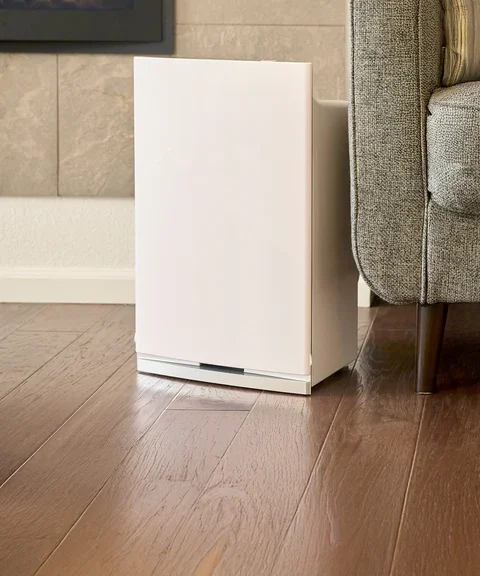
As an affiliate, 8air may earn a small commission if you purchase through our link.